Powder with perspective
Tree skiing and off-piste in Japan: what to know
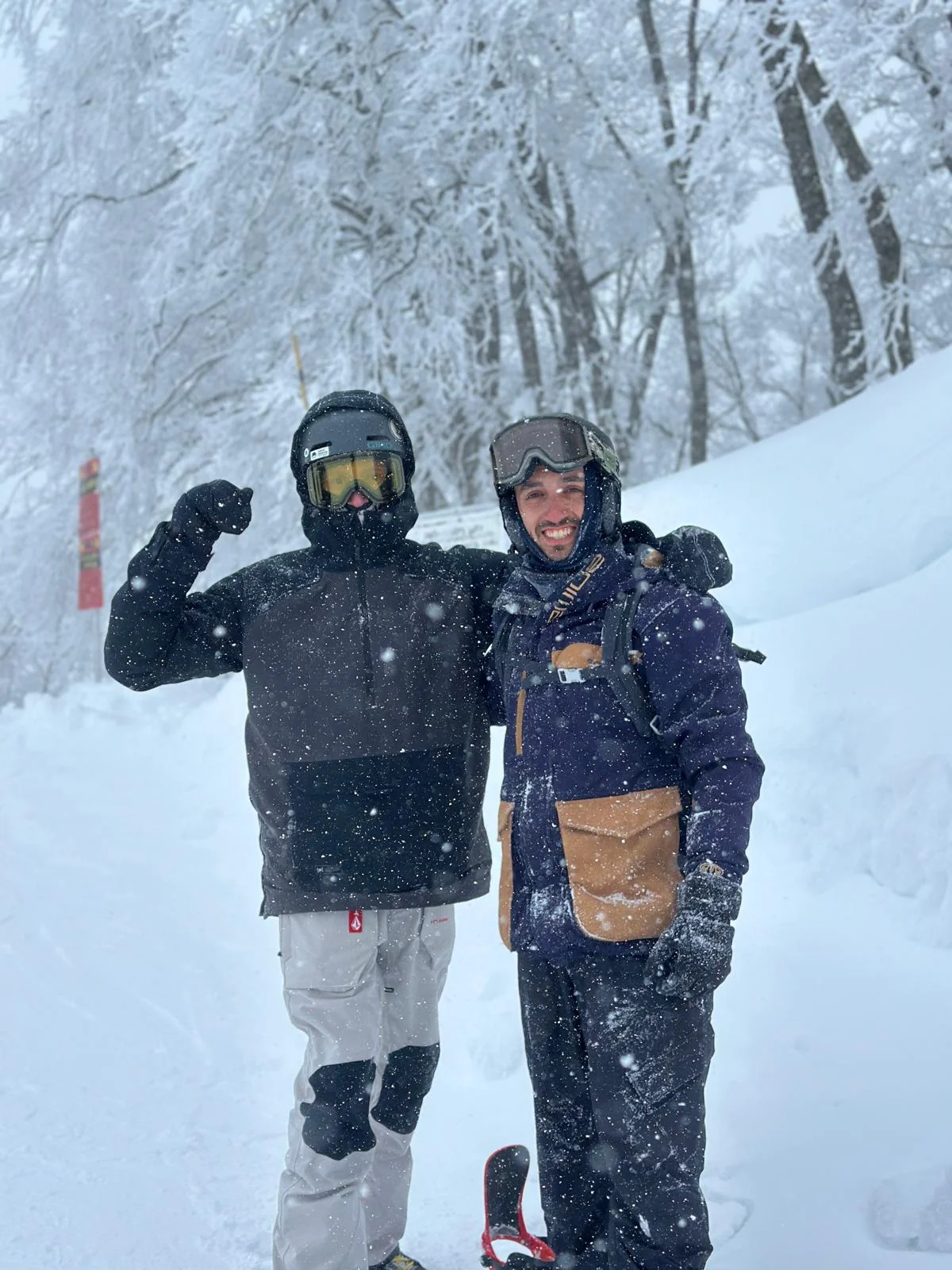
Fresh snow in a Japanese forest is an extraordinary sight, and tree skiing is one reason experienced skiers dream of Japan. It is also an activity with serious hazards. Trees do not make a slope safe, tracks do not make an area permitted, and proximity to a lift does not mean you are within a managed ski area. This guide explains the distinctions to understand and the questions to ask before arranging a powder day; it is not instruction for travelling in avalanche terrain.
What makes it appealing — and demanding
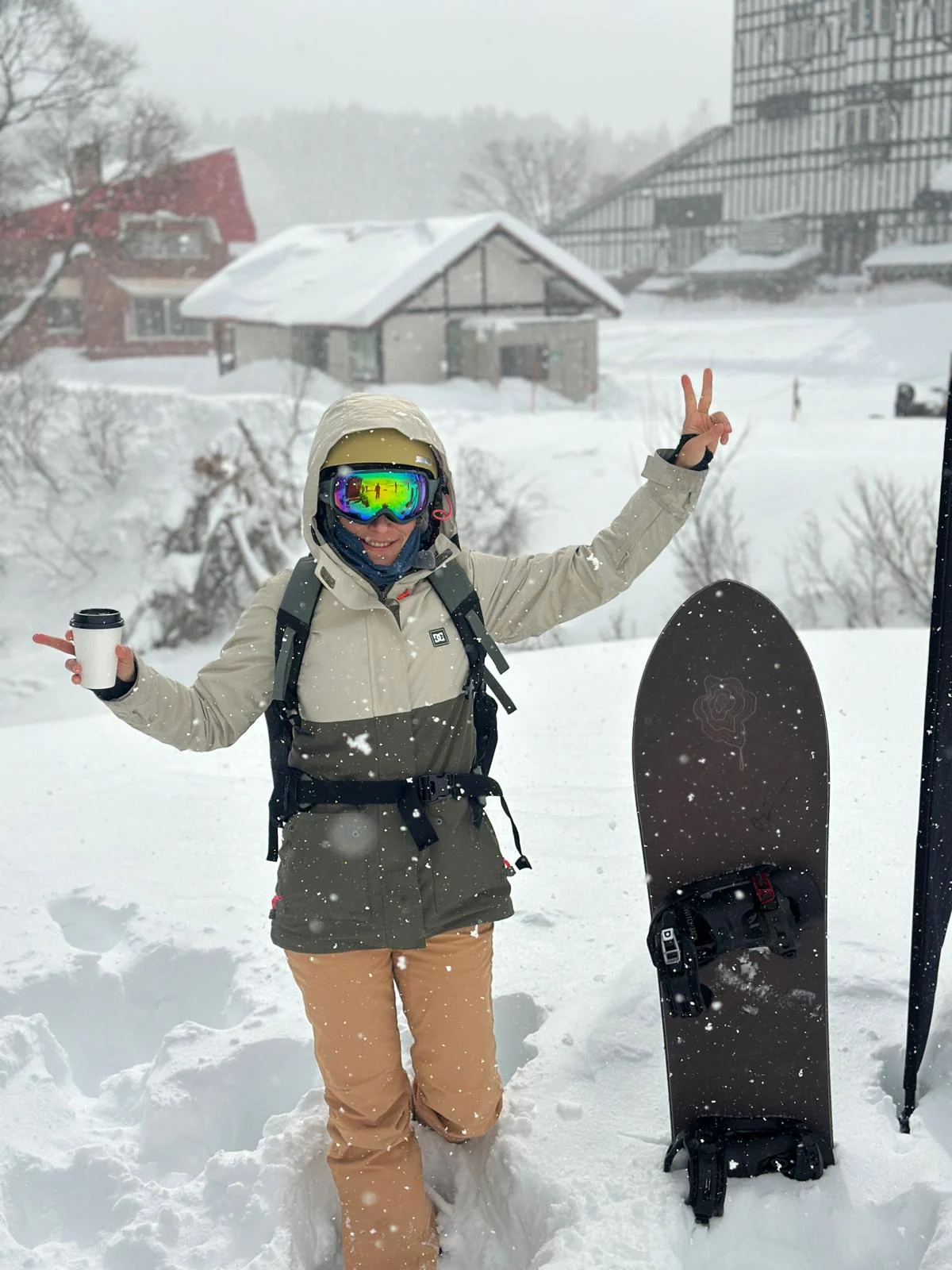
In the right conditions, Japan can offer deep snow, beautiful forests and a very different mountain experience from a groomed piste. That appeal should not obscure the skill and judgement involved. Deep snow changes the demands on a skier or snowboarder, while trees reduce the space available to recover from a mistake.
Unmanaged terrain can contain hidden streams, abrupt changes of slope and other obstacles as well as avalanche hazards. The consequences of a problem may be substantial even a short distance from a marked run. A good holiday does not depend on entering that terrain: there is plenty to enjoy on open, permitted pistes.
Tree skiing, ungroomed terrain and backcountry differ
Tree skiing describes terrain with trees, not its legal status or safety arrangements. A wooded area might be a designated zone within a resort, a closed area or backcountry beyond its boundary. You cannot tell which simply by looking at the snow.
An ungroomed run can still be an identified, permitted part of a ski area. The term off-piste is less precise: people use it for anything beyond a prepared piste, including places subject to very different rules. Ask exactly which area a lesson or guided outing will use.
Backcountry means leaving the controlled resort area. Do not assume it has piste maintenance, patrol coverage or avalanche management. Lift access does not change that distinction, and a gate is an access point rather than a promise of safety.
Permissions are specific to the resort and the day
There is no single rule that makes tree skiing permitted everywhere in Japan, or even everywhere in Hakuba. A valley-wide lift pass is not permission to enter every slope or forest. Resorts can have designated powder zones, registration requirements, separate boundary rules and temporary closures.
Use the current official map and signs, check with patrol and follow the rules for the exact area you are considering. Do not duck ropes, enter closed zones or follow tracks as evidence of permission. A route that was open yesterday may not be open today.
Hakuba Valley publishes specific backcountry access rules, including which resorts have designated exit gates. Niseko has its own rules and avalanche information. Read the current official guidance linked below rather than relying on an old blog post or another resort's policy.
Choose a qualified local professional
If you are considering terrain beyond the pistes, speak to a qualified local guide whose credentials and experience match the proposed activity. Be honest about your recent skiing, experience in deep snow and any previous backcountry training. Being comfortable on a difficult groomed piste does not automatically prepare you for trees or avalanche terrain.
Ask the provider how they assess ability, choose terrain, respond to conditions and communicate changes or cancellations. They may suggest a lesson in permitted terrain before considering a more demanding outing. A guide can support better decisions, but cannot remove the mountain's risks or guarantee a powder itinerary.
Equipment needs training behind it
Appropriate avalanche equipment and the knowledge to use it are essential considerations for avalanche terrain. Confirm the requirements with your guide and the relevant resort, including a transceiver, probe and shovel where required, suitable clothing and other equipment for the proposed outing.
Owning or hiring equipment is not the same as knowing how to use it. Discuss training and preparation before booking, and do not treat a checklist as a substitute for judgement. Do not venture into deep powder alone.
Check insurance for the actual activity
A standard travel policy may not include winter sports, and a winter-sports policy may impose separate conditions on off-piste or backcountry activities. Check your own cover, including any guide requirement, exclusions and mountain rescue, emergency treatment and repatriation provisions.
Tell your insurer what you plan to do and obtain clarification where the wording is unclear. Do not assume a lift pass, a guide booking or your accommodation includes the cover you need.
How this fits a JAPANSKI holiday
Our Hakuba and Tokyo package does not include off-piste guiding or a guaranteed tree-skiing day. The trip host provides practical support and is not your ski instructor or mountain guide.
For experienced guests interested in a separate guided outing, we can help explore suitable local providers. Availability, suitability, cost and the day's terrain are matters to confirm with that provider. Be prepared for the plan to change or be cancelled if the professional assessment or resort rules require it.
Your questions, answered.
Is tree skiing suitable for a complete beginner?
No. Start with lessons in a suitable beginner area. Tree skiing and deep snow add demands that cannot be judged from confidence on a first few piste runs.
Does an open backcountry gate mean the terrain is safe?
No. Access permission does not remove avalanche or other mountain hazards. Follow the current resort rules and obtain a qualified local professional's assessment of the proposed activity.
Can a trip host take me off-piste?
Our trip host's role is logistical support. Ski instruction and mountain guiding are separate professional services and are not included in the holiday package.
Useful official information
Use these sources for current rules, operations and visitor information. Details can change between planning and travel.
- Hakuba Valley: current mountain safety and backcountry rules ↗
- Niseko United: current Niseko Rules ↗
- FCDO: choosing travel insurance ↗
Adapted for UK travellers from הבלוג של JAPANSKI בעברית. English edition updated 10 October 2026.