AFTER THE LAST LIFT
Après-ski in Japan: finding your kind of evening
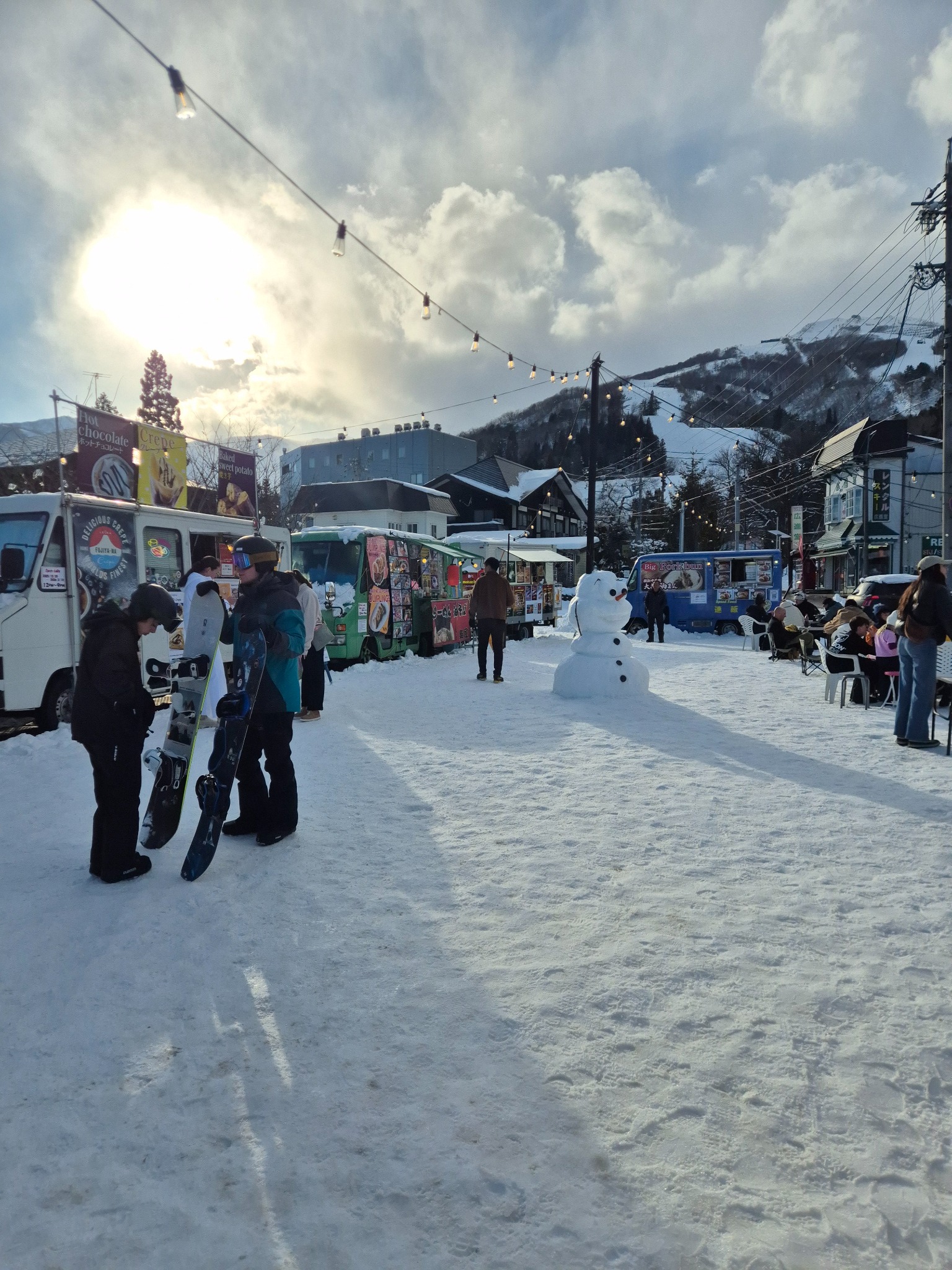
A steaming bath, a bowl of ramen, a tiny bar filling with skiers: evenings in Japan can become as memorable as the mountain days. There is nightlife, too, but it varies considerably between resorts. The useful question is what you would like to do after taking your boots off.
A wider idea of après-ski
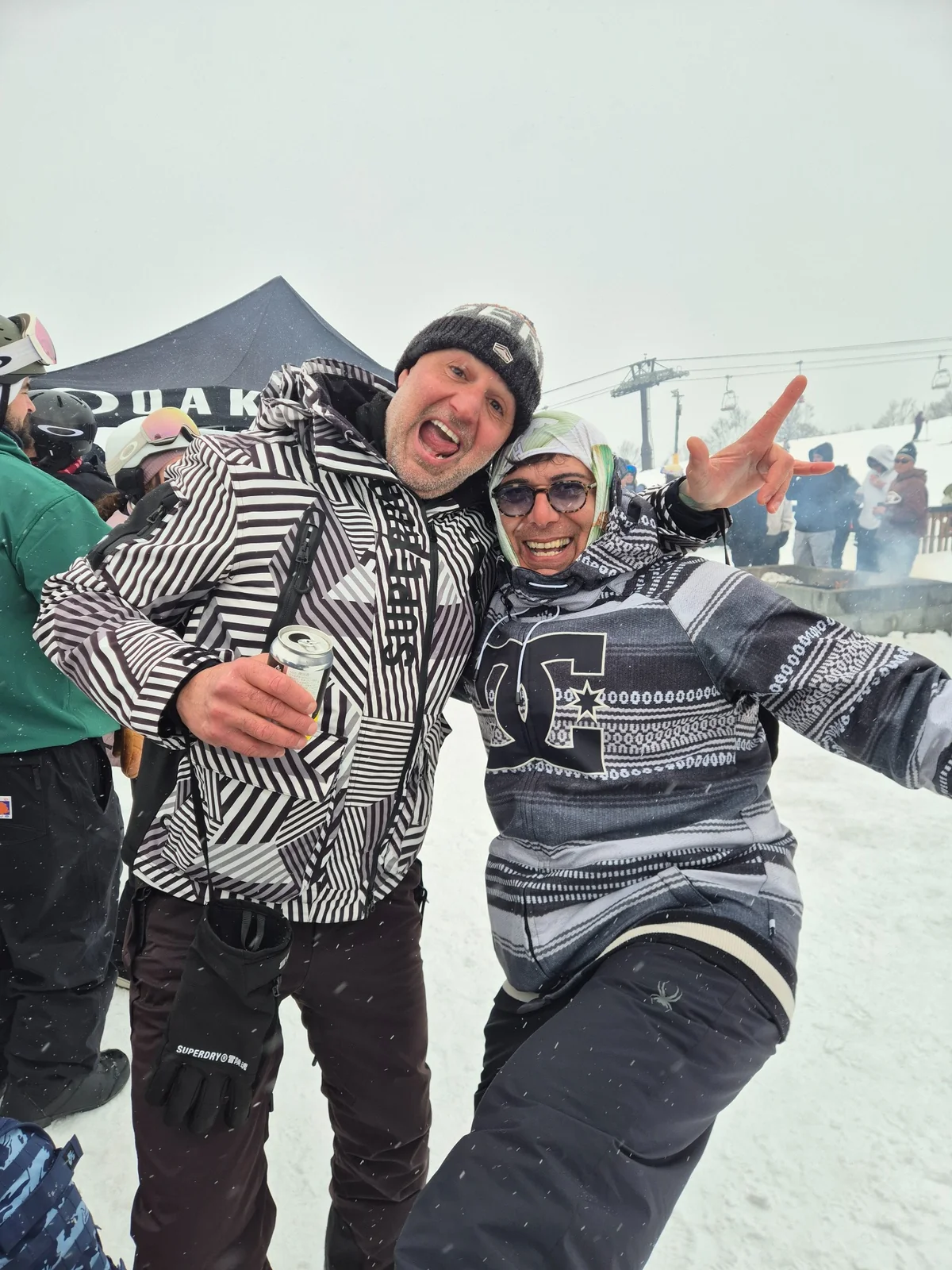
If your usual ski holiday involves a busy terrace in Austria or France, adjust your expectations before booking Japan. Some resorts have lively international bars and music; elsewhere, the evening revolves around dinner, hot springs and a quiet drink. Both can make a rewarding end to a day in the snow.
An izakaya, a Japanese pub serving small dishes to share, is an easy introduction. An onsen, or natural hot-spring bath, offers a different way to unwind. Neither requires a late night. Choose a resort whose evenings suit your group as well as whose terrain suits your skiing.
Niseko: international bars and a lively dining scene
Niseko, particularly Hirafu, is a strong starting point if restaurants, cocktails and an international crowd matter to your holiday. Its established tourism scene includes bars, live music and places for a special dinner. It offers a familiar social setting for visitors arriving from the UK.
The precise location of your accommodation still matters: Niseko covers several resort areas, and staying in one does not put every Hirafu venue outside your door. If you are also visiting Tokyo, allow for the separate journey to Hokkaido when comparing the overall itinerary.
Hakuba: several neighbourhoods and a natural Tokyo pairing
Hakuba Valley spreads across different villages and resort bases. Happo, Wadano and Echoland each offer places to eat and drink, with a mixture of Japanese restaurants and international venues. The experience can be sociable or quiet, depending on the evening you choose.
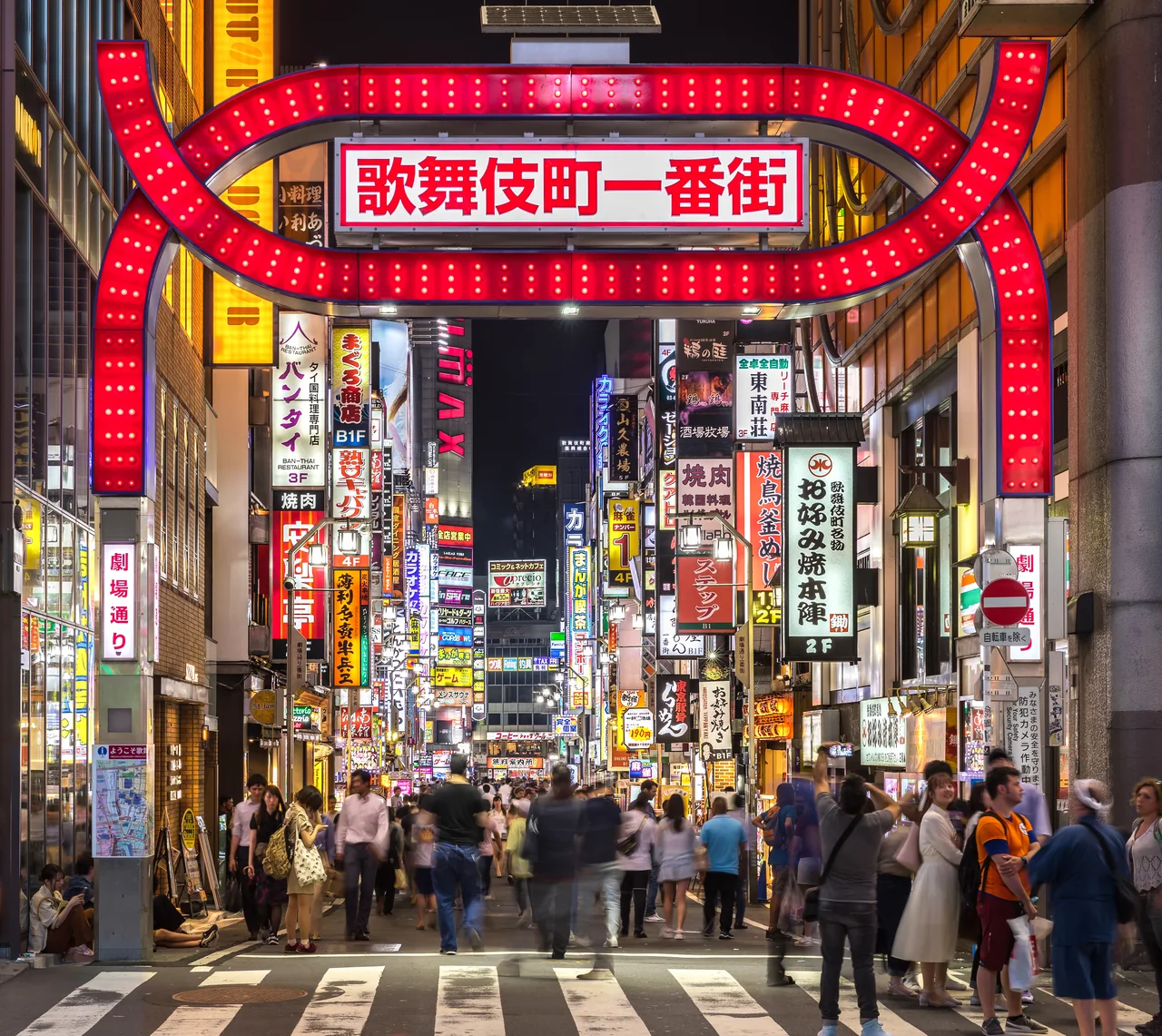
Hakuba also works well as one part of a longer holiday on Japan's main island. You can travel between the valley and Tokyo without adding a domestic flight. Spend your mountain evenings enjoying food and hot springs, then explore Tokyo's bars, neighbourhoods and restaurants at your own pace.
Nozawa Onsen: a village shaped by its hot springs
Nozawa Onsen makes bathing part of the destination itself. Its public bathhouses sit within a village of small streets, places to eat and local businesses. For visitors who picture a soak followed by dinner and a walk through a snowy village, it deserves consideration.
Public baths are shared spaces with their own customs. Read the entrance information, wash before entering and respect the atmosphere. Check individual facilities if tattoos, private bathing or visiting with children affect your plans.
Myoko and Furano: make dinner the main event
Around Myoko, Akakura Onsen has restaurants, small bars and hot-spring accommodation. It is worth considering if your ideal evening is a meal and a relaxed drink rather than a packed entertainment programme. Compare the individual base areas carefully; the name Myoko covers more than one place to stay.
Furano offers another food-led option in Hokkaido, with restaurants and bars in town as well as around accommodation areas. It can suit a slower evening rhythm. Check the distance between your hotel, the ski base and the places you want to visit before assuming everything is walkable.
Rusutsu and Tomamu: evenings centred on the resort
At large resort properties such as Rusutsu and Tomamu, a substantial part of the dining and entertainment is within the complex. This can be convenient for families or anyone who prefers fewer evening journeys.
Check what is operating during your stay and whether activities require separate tickets or reservations. A resort setting offers a different experience from wandering between independent restaurants in a village.
| Destination | An evening to picture |
|---|---|
| Niseko / Hirafu | Dinner, cocktails and an international crowd |
| Hakuba | A choice of neighbourhoods, restaurants, bars and onsen |
| Nozawa Onsen | Village streets, public baths and a relaxed dinner |
| Myoko / Akakura Onsen | A small restaurant or bar near your mountain base |
| Furano | Local dining and a quieter evening in Hokkaido |
| Rusutsu / Tomamu | Dining and activities within a resort complex |
The practical details that make evenings easier
When choosing accommodation, look at an actual map rather than a resort name alone. A restaurant that looks nearby may involve an uncomfortable walk on a snowy road. Confirm evening transport and the journey home before heading out.
Reserve important dinners, especially for several people travelling together. Small restaurants may struggle to seat a large party on arrival. Keep some evenings flexible, and ask about dietary requirements before committing to a set menu.
For our Hakuba and Tokyo holidays, the shared arrangements cover the core travel logistics while your free time remains your own. You can meet others for dinner, spend an evening as a couple or enjoy an early night. Restaurants, drinks and independent sightseeing are separate choices and costs.
Your questions, answered.
Does Japan have lively après-ski?
Yes. Niseko and parts of Hakuba offer bars, music and international dining. The atmosphere varies by neighbourhood and venue, so choose your accommodation with your evening plans in mind.
Can après-ski in Japan suit families?
Yes. An early meal, a suitable hot-spring bath or a quiet evening at the hotel can be part of the experience. Check each venue's arrangements for children.
Which resort works well with a Tokyo stay?
Hakuba is a practical option on Japan's main island. Its mountain setting and Tokyo's urban food and nightlife scene give the two parts of the holiday a distinct character.
Useful official information
Use these sources for current rules, operations and visitor information. Details can change between planning and travel.
- JNTO: après-ski in Japan ↗
- Nozawa Onsen: village baths ↗
- Myoko Tourism: restaurants ↗
- Furano Tourism Association: dining ↗
- JNTO: onsen etiquette ↗
Adapted for UK travellers from הבלוג של JAPANSKI בעברית. English edition updated 10 October 2026.