
A TASTE OF TOKYO
Eating in Tokyo: from your first ramen to a market breakfast
Tokyo gives a ski holiday a delicious second chapter. After mountain mornings and hot-spring evenings, you can spend a day following your appetite through noodle shops, markets, cafés and tiny restaurants. You do not need an expensive reservation for every meal.
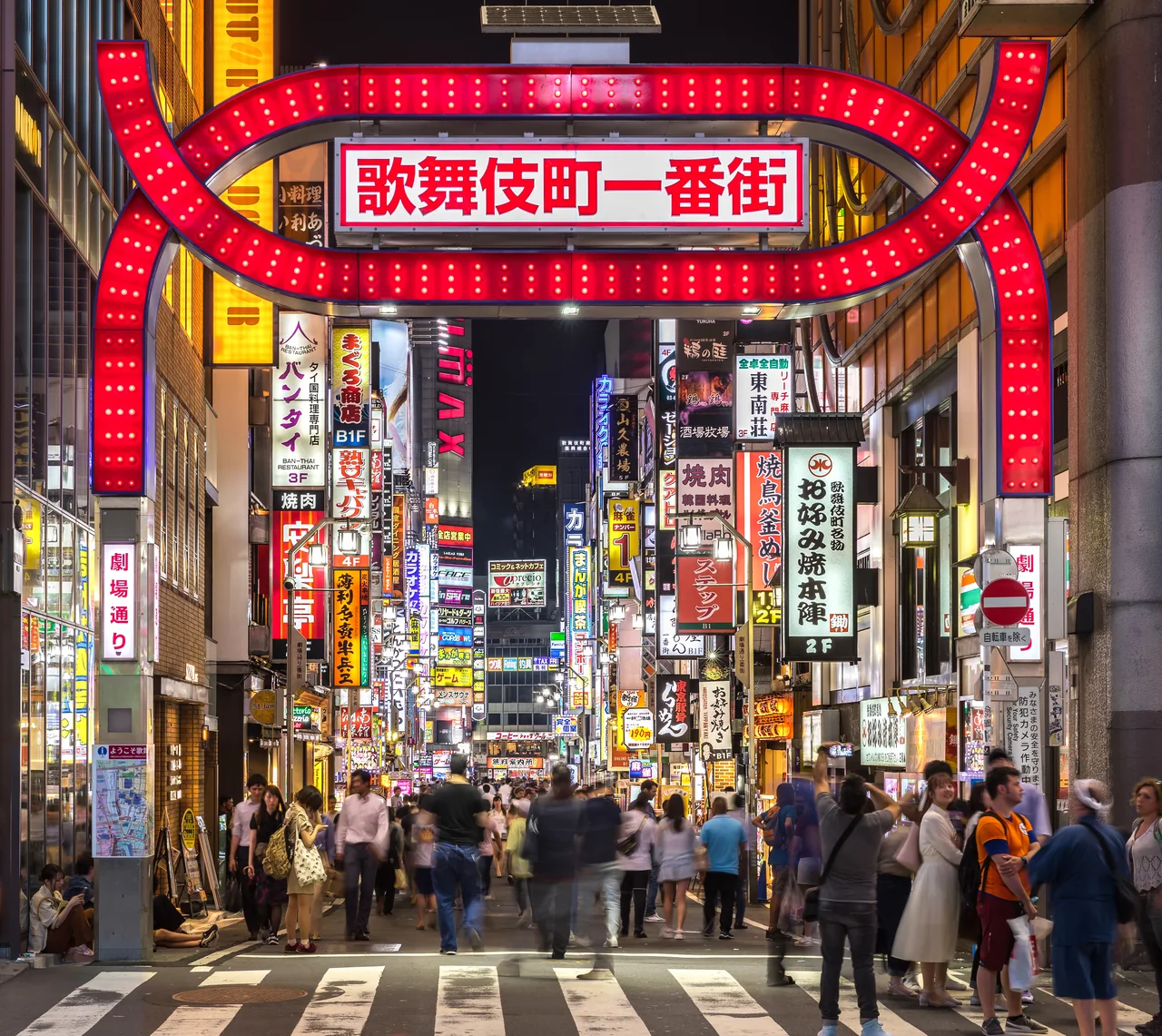
Build meals into the day you already want
Start with the neighbourhood you are visiting rather than crossing the city for every recommendation. Station restaurants, department-store dining floors and small specialist shops can all be useful options. Save a special journey for a meal you particularly want.
Mix one or two planned dinners with simpler lunches and spontaneous stops. A queue may signal popularity, but it can also mean a long wait when everyone is tired. Check the menu, seating and likely wait before deciding.
Ramen: a good first bowl
Ramen brings noodles, broth and toppings together in countless combinations. Shoyu refers to a soy-sauce seasoning, shio to salt and miso to fermented soybean paste; tonkotsu is a rich pork-bone broth. Those labels alone do not tell you every ingredient.
Many shops use a ticket machine: choose and pay, then hand the ticket to the staff. Pictures or a translation app can help, and asking for the house speciality is a reasonable starting point. Small counter-only shops suit quick meals better than a large party hoping to sit together.
Sushi, Toyosu and Tsukiji: know the difference
Sushi ranges from casual meals to carefully paced omakase menus chosen by the chef. You can begin with an accessible sushi restaurant and decide whether to book a more elaborate experience later. A famous name is not essential.
Tokyo's wholesale fish market moved from Tsukiji to Toyosu in 2018. Toyosu is the place to research if you want to understand the modern wholesale market and its visitor facilities. Check the official calendar and arrangements before planning an early visit.
Tsukiji Outer Market remains at Tsukiji, with food shops, restaurants and stalls. For a first morning spent browsing and tasting, it is a rewarding choice. Eat where the vendor indicates rather than walking through crowded lanes with food. You do not need to visit both markets to enjoy good sushi in Tokyo.
The dishes to recognise beyond sushi
You have plenty of choices if raw fish is not your thing. These dishes are useful to recognise, while remembering that recipes and accompaniments vary.
| Dish | What to expect |
|---|---|
| Tonkatsu | A breaded pork cutlet, often served with rice and cabbage |
| Japanese curry | A thick curry sauce with rice; ask about the heat level |
| Udon | Thick wheat noodles, served hot or cold |
| Soba | Buckwheat-based noodles, often also containing wheat |
| Gyoza | Filled dumplings; check the filling |
| Yakitori | Grilled chicken skewers with varied cuts and seasonings |
| Karaage | Japanese fried chicken |
| Onigiri | Rice balls with different fillings and seasonings |
Markets, sweets and the convenience-store stop
Asakusa, Harajuku and market districts offer plenty of reasons for a snack break: a crêpe, a sweet bun, dango dumplings or something unfamiliar in a shop window. A tasting stop can be as memorable as a formal meal.
Convenience stores such as 7-Eleven, Lawson and FamilyMart are useful for drinks, onigiri, sandwiches and small meals. They help when family members become hungry at different times or you want something light after returning to the hotel. Read labels and check fillings rather than assuming a familiar-looking item has familiar ingredients.
Dietary requirements need a little preparation
A dish without visible fish or meat is not necessarily vegetarian. Dashi stocks and sauces can contain fish; noodle broths may use animal ingredients. Soba is not automatically gluten-free, either. Explain the specific ingredients you avoid and seek an explicit answer.
For allergies or strict dietary requirements, contact the restaurant ahead and communicate clearly with staff. A translated requirements card can help the conversation, but does not replace checking preparation and ingredients. Identify a few suitable places before arriving so every meal does not become a fresh search.
Keep the budget and the family appetite flexible
Combine simple meals with the dinners you want to make special. Check menus in yen and use your current GBP exchange rate for budgeting; drinks and premium menus can change the total considerably.
With children, alternate new tastes with familiar options. Rice, noodles, breaded dishes and small snacks can help, depending on each child's preferences and dietary needs. Your aim is a happy, well-fed family with room to try something new.
Our Tokyo stay includes breakfast, leaving lunch and dinner for your own discoveries. Restaurants and Tokyo sightseeing are not included in the package, and your time in the city is independent. Choose your own pace rather than treating every meal as another item to tick off.
Your questions, answered.
Do I need to book every restaurant in Tokyo?
No. Keep reservations for particular restaurants, special meals or larger groups. Many casual places work on a walk-in basis, although you may need to queue.
Can I enjoy Tokyo food without eating fish?
Yes, but check stocks, sauces and fillings as well as the main ingredient. A vegetable or noodle dish may still contain fish-based stock.
Is Tsukiji still worth visiting?
Yes. The Outer Market remains a food-shopping and dining destination. The wholesale market and tuna auctions moved to Toyosu.
Useful official information
Use these sources for current rules, operations and visitor information. Details can change between planning and travel.
- GO TOKYO: Tsukiji Outer Market ↗
- Tsukiji Outer Market: official visitor guide ↗
- GO TOKYO: Toyosu ↗
- GO TOKYO: food and drink ↗
- JNTO: vegetarian and vegan travel ↗
- JNTO: soba ingredients ↗
Adapted for UK travellers from הבלוג של JAPANSKI בעברית. English edition updated 10 October 2026.



Izakaya and yakiniku: evenings made for sharing
An izakaya is a sociable place to order a selection of small dishes. Start with a few plates such as edamame, gyoza, grilled skewers or karaage fried chicken, then order more according to appetite. Menus vary, so a photograph or a clear question helps.
Yakiniku restaurants serve ingredients to grill at the table, often with rice, vegetables and sauces. The format can be fun with friends or older children. Check the menu before sitting down: a premium wagyu dinner has a different budget from an everyday meal, and tabletop grills need attention around young children.
Reserve ahead for a larger party. A tiny restaurant that works perfectly for two may be unable to accommodate six people together.