Your first Japan ski holiday
Skiing in Japan: a practical guide for UK travellers
Fresh snow in the morning, steaming noodles at lunch, and a completely different world beyond the slopes. Japan makes a ski holiday feel like a much bigger adventure. Here is how to turn the idea into a trip that works from the UK.
Why travel this far for skiing?
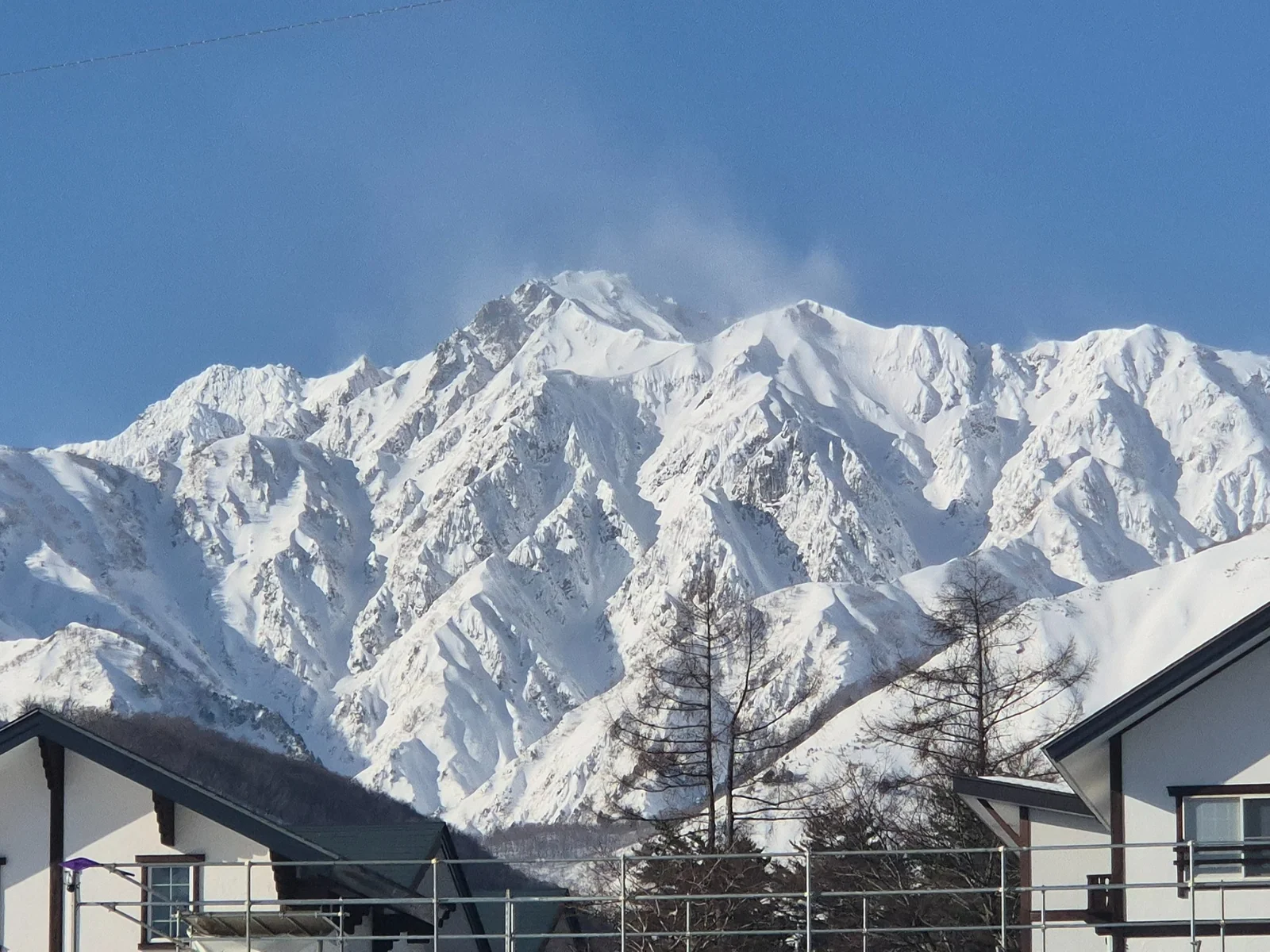
The snow is a big part of the attraction, but it is only part of the holiday. A Japanese ski day might end with an onsen, a tiny restaurant and a walk through a snowy village. Add a few nights in Tokyo and you have mountain time and a city break in the same journey.
Japan is known for snowy winters, particularly in its northern and mountain regions. That reputation is a reason to consider it, not a promise of fresh powder every morning. You will still have changing visibility, different snow surfaces and days when your plans need to follow the weather.
For a quick long weekend, the Alps are easier from Britain. Japan makes more sense when you can give the journey room: enough ski days to settle in, plus time to enjoy the country beyond the resort.
Hakuba or Niseko: start with the kind of trip you want
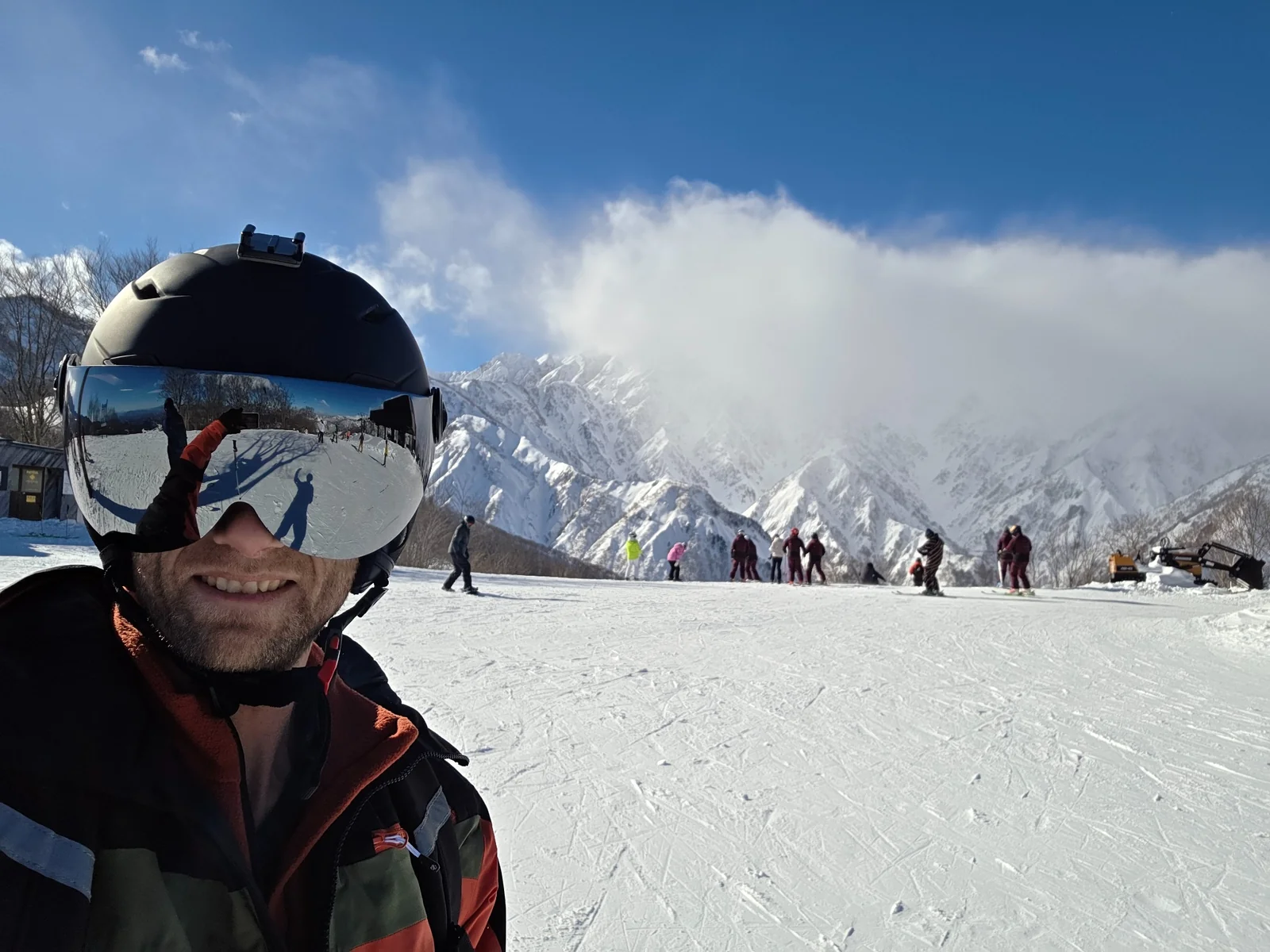
Hakuba Valley is in Nagano, on Japan’s main island of Honshu. Its all-mountain pass covers ten resorts, giving you a choice of mountain areas across the week. Those resorts are not all joined by pistes, so accommodation, shuttles and your lesson meeting point matter when planning each day.
Niseko is on Hokkaido. Niseko United brings together four connected resorts, although weather and lift operation can affect how you move between them. It is a natural option to investigate if Hokkaido is the focus of your holiday; Hakuba is particularly useful when you want an overland connection with Tokyo.
Neither is the right answer for everyone. Compare your ski level, the atmosphere you want after skiing and the whole journey, rather than choosing from a snowfall photograph. We use Hakuba for our holidays because it fits the combination we love: a proper week in the mountains, then Tokyo.
When to go, and how long to stay
January and February are the main months to consider for a midwinter ski trip. December and spring can work too, but opening dates and conditions vary by resort. If your dates are fixed around school holidays, check the exact calendar for your school before comparing departures.
For this kind of long-haul holiday, we like six ski days: time to get comfortable with the equipment, discover different slopes and avoid making the whole trip depend on one day’s conditions. It is a preference, not a rule; beginners might also value a rest afternoon.
Our current itinerary has seven nights in Hakuba and four in Tokyo. The advertised UK travel window includes the outbound flight day; the 12 days in Japan begin on arrival. Keep that distinction in mind when booking leave.
You do not need to be a powder expert
Beginners can build a rewarding holiday around lessons and suitable learning slopes. Choose the school, language, lesson format and meeting point before committing to a daily mountain plan. English-language instruction is available in Hakuba, but availability and age requirements depend on the school.
Mixed-ability friends do not need to stay together on every run. Agree on an easy meeting point for lunch or the end of the day, then let everyone ski terrain that suits them. Use local piste maps and advice rather than assuming a Japanese trail colour means exactly what it does at your usual Alpine resort.
For confident skiers, powder and tree skiing bring additional decisions. Resort boundaries and permitted areas matter; an attractive line between trees is not automatically open terrain. Arrange specialist instruction or guiding separately where needed. A holiday host is there to help with logistics, not to lead you into the backcountry.
Getting there from the UK
Compare the complete flight itinerary: arrival date, airport, baggage allowance and any connections. Tokyo has both Haneda and Narita airports. Check the actual airport code rather than treating every flight labelled Tokyo as interchangeable.
For our departures, international flights are booked separately. Speak to us before paying for flights so we can confirm that your arrival and return plans fit the coordinated group transfers. If you are travelling independently, allow for the onward journey and check current transport timetables and reservations.
Entry requirements depend on your nationality and travel documents, not simply where you live. Use the current FCDO Japan travel advice and the relevant official guidance for your passport before travelling.
What to budget for, and what to pack
Build a total from the land arrangements, your actual flight quote and your own extras. In our package, hotels with breakfast, a six-day lift pass, ski or snowboard hire, coordinated transfers and host support are included. Lessons, insurance, other meals and optional activities need their own budget.
For clothing, think in layers: a base layer, warmth you can adjust, and a weatherproof outer layer. Bring suitable gloves, goggles, ski socks and winter footwear for the village. Confirm exactly what your rental booking includes, including helmet availability, rather than assuming clothing and every accessory come with the skis.
Taking your own equipment? Check the airline’s sports-baggage rules and tell us when requesting your quote. Arrange travel insurance that covers your intended winter sports and read the conditions for mountain rescue and any off-piste activity.
Leave room for the Japan part
An onsen afternoon, a restaurant you return to twice, or a quiet coffee while it snows can matter as much as the best run. You do not need to fill every evening. Pick a few things you really want to try and leave space for the rest.
Tokyo gives the holiday a different rhythm: neighbourhood walks, food counters, shops, temples and late-night lights. Four nights lets you choose more than one side of the city without turning every day into a checklist.
With JAPANSKI, you share the hotels and transfers, and have an English-speaking Japanese host for practical support. Your ski days and your time in Tokyo remain yours to shape. Explore independently, meet up with other travellers when you fancy it, and keep time for your own plans.
Your questions, answered.
Can I combine skiing in Japan with Tokyo?
Yes. Our Hakuba and Tokyo holiday has seven nights in Hakuba with six ski days, followed by four nights in Tokyo. Transfers between the two are part of the land package.
Are flights from the UK included?
No. International flights are separate. Confirm the airport, arrival date and transfer arrangements with us before booking your tickets.
Can beginners join a Japan ski holiday?
Yes, with a suitable lesson and mountain plan. Lessons cost extra; tell us your experience and any children’s ages so we can discuss appropriate options before you book.
Do I have to follow a group itinerary every day?
You share the hotels and coordinated transfers. On the slopes and in Tokyo you choose your own pace, with practical support from the host. Instruction and mountain guiding are separate services.
Useful official information
Use these sources for current rules, operations and visitor information. Details can change between planning and travel.
- Hakuba Valley: resorts and ski schools ↗
- Niseko United: resort and pass options ↗
- Japan National Tourism Organization: airport access ↗
- FCDO: Japan entry requirements ↗
- FCDO: travel insurance ↗
Adapted for UK travellers from הבלוג של JAPANSKI בעברית. English edition updated 10 October 2026.